Dew on the Outside Is Not a Defect: Reading Your New Windows' Morning Sweat
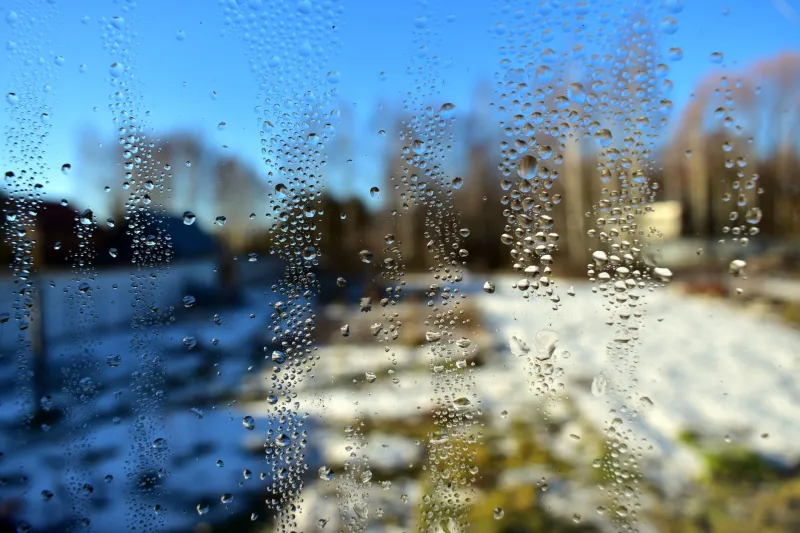
There is a particular kind of panic that arrives with the first cold snap after a window swap. You pull the curtains, look out at the garden, and find the outside of your new glass covered in beads of water. The old windows never did that. Or did they, and you never noticed because the frames were shot and the draught was doing your head in?
Either way, the sight of water on brand-new glazing is enough to make anyone reach for the phone. Before you do, take a breath and look a little closer. In most cases, that dew is not a fault. It is the glass doing its job, just on the wrong-looking side.
The short version: your glass is working, not weeping
Modern sealed units usually come with a low-emissivity coating. In plain terms, that coating reflects heat back into the room instead of letting it leak out through the glass. It is one of the reasons an A-rated window performs better than the old single pane it replaced.
The side effect is that the outer pane stays cooler than it used to. On a clear, still night, especially in spring or autumn, the outside surface can drop below the dew point. Moisture in the air then condenses on it, exactly the way a cold pint glass sweats on a pub table. By mid-morning, when the sun hits it or the air warms up, the water is gone.
If the condensation is on the outside face, the sealed unit is doing what it was sold to do: keeping warmth in and cold out. A poorly performing unit would show condensation on the inside face, in the room, where you actually live.
Where it shows up, and when
External condensation is most common on north and east-facing windows, which get less morning sun. It tends to appear on still, clear nights after a mild day, when the air holds plenty of moisture but the glass surface cools quickly. Spring and autumn are the classic seasons for it.
It is also more noticeable in the first year after fitting. New glass is clean, the coatings are intact, and the unit is performing at its best. Once the novelty wears off, you may stop noticing it. The dew has not stopped; your brain has just filed it under 'normal'.
Telling outside dew from a blown seal and indoor damp
This is the bit worth getting right, because the three look similar in a blurry photo and mean very different things.
- External condensation: Water sits on the outside surface. You can wipe it off with a cloth from the garden. It clears as the day warms up. There is no mist between the panes and no damp patch inside.
- Blown seal: Mist or droplets sit between the two panes of glass. You cannot wipe them off. They do not clear with the weather and usually get worse over time. That is a failed sealed unit and a genuine guarantee conversation.
- Internal condensation: Water forms on the room-side surface, often near the bottom corners or around the frame. It is usually linked to indoor humidity and ventilation, not necessarily a glass failure. Cooking, drying washing indoors and closed trickle vents all play a part.
A simple test: if you can touch the water from outside, it is external. If it is trapped behind the glass, it is between the panes. If it is on the inside face, it is a ventilation or humidity question.
The evidence to gather before you ring the installer
A good installer will ask you what you saw and when. A great one will ask for photos. Save yourself a pointless back-and-forth by recording the basics:
- Photograph the window from outside and inside at the same time of day.
- Note the date, time and weather: clear or cloudy, still or windy, cold or mild.
- Write down which elevation the window faces and whether the condensation clears by lunchtime.
- Check between the panes with a torch. If there is mist trapped inside, say so clearly.
- Check indoor humidity if you can. A cheap hygrometer takes the guesswork out of the internal damp question.
- Note whether trickle vents are open or closed.
That little bundle turns a vague complaint into a useful report. It also stops anyone fobbing you off with a diagnosis you cannot verify.
If your 2026 quote said 'condensation-free', read it again
Most reputable firms do not promise zero condensation. They cannot control the British weather, your kettle or how long you leave the bathroom fan off. What a decent quote should mean is that the sealed unit will not mist up between the panes, and that any internal condensation caused by a faulty unit will be put right.
If the word 'condensation-free' appears in your paperwork, ask the installer to point to the exact clause. Then ask three straight questions:
- Does your guarantee cover condensation on the external face?
- Does it cover mist between the panes, and for how long?
- If a sealed unit fails, what is the remedy: a new unit, a repair, or a credit?
Get the answers in writing, even if it is just a follow-up email. A firm that squirms at that request is telling you something useful.
When it is actually worth a callback
External dew is a quirk of high-performance glass in a cool, damp climate. It is not usually a reason to replace anything. But there are times when a phone call is the right move:
- Mist is trapped between the panes and does not clear.
- Internal condensation persists despite decent ventilation and reasonable humidity.
- Water pools on the frame or sill rather than beading on the glass.
- The outside condensation does not clear by mid-morning and the pane feels unusually cold, which could point to a coating issue.
- A salesperson told you it would never happen, and you want that claim on record.
The bottom line
Dew on the outside of new windows looks like a problem and usually is not. It is the visible signature of a unit that is keeping heat where it belongs. Keep a photo diary, read the guarantee properly, and do not let anyone sell you a replacement pane for a phenomenon that is doing its job.
At Vulcan Windows, we would rather explain the dew than replace a healthy window. If your glass is crying on the outside, check which side the water is on before you check your wallet.