Silence Isn't Sold by the Pane: Reading Acoustic Window Quotes Without Getting Fleeced
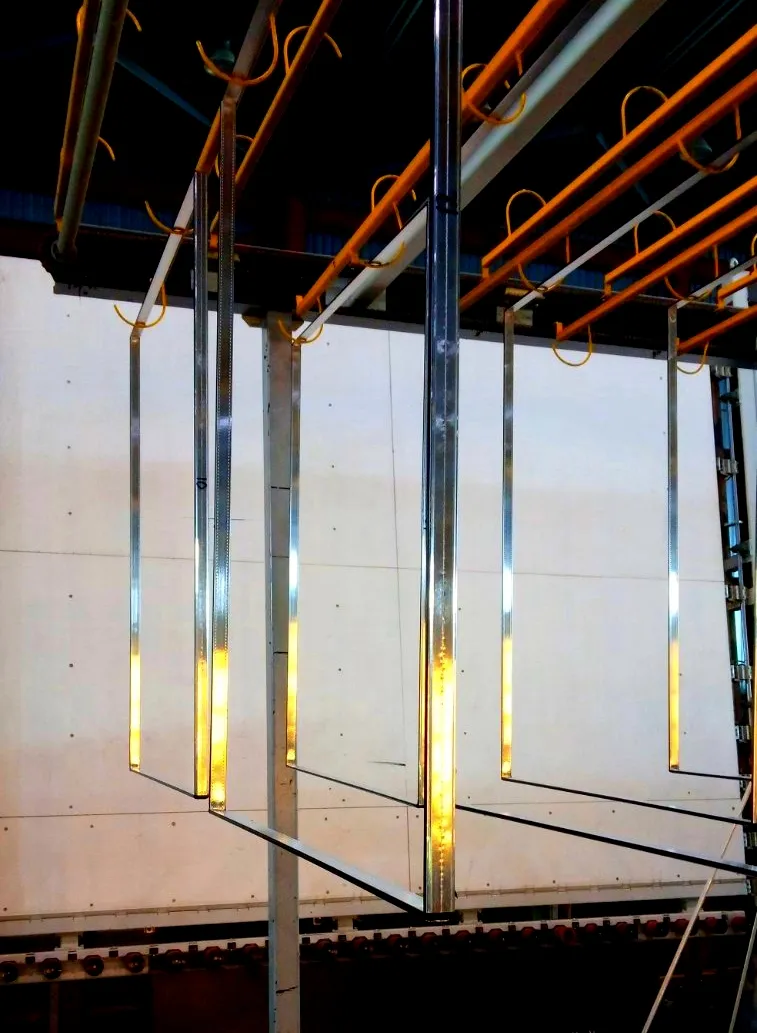
Photo: Usik64, CC BY-SA 4.0, via Wikimedia Commons
A reader emailed me last month about a house backing onto a railway line. She'd had three quotes. Two didn't mention sound once. The third offered 'acoustic glass' as a £900 upgrade, described in a single line of the estimate with no numbers attached.
She asked the salesman what it would do. He said it would be 'much quieter'. That's not a specification, that's a mood.
Sound is one of the few things you can genuinely engineer out of a window, but only if someone writes down what they're engineering. So let's talk about the numbers, and what they're actually worth.
Rw, and the bit everyone leaves out
Rw is the weighted sound reduction index. It's a single number, in decibels, describing how much sound a glazing unit blocks in laboratory conditions. Higher is better. A standard double-glazed unit might sit around 30-32 Rw. A properly specified acoustic unit can reach the high thirties or into the forties.
Here's the catch. Rw is measured across a range of frequencies weighted towards speech and mid-range sound. Road traffic is not mid-range. It's heavy on low frequencies — the rumble, the tyre noise, the diesel idle at the lights. That's where the Ctr adjustment comes in, and why Rw+Ctr is the figure that matters for a house near a road.
A unit with a great Rw and a poor Ctr can be genuinely disappointing. Ask for both numbers, and ask for them for the whole window, not just the glass.
Triple glazing is not automatically quieter
The assumption that more panes equals more peace is one of the most expensive myths in this business. Triple glazing is excellent at holding heat in. It is not automatically excellent at keeping noise out, and in some configurations it's barely better than a good double unit.
Why? Because sound reduction depends on mass, and on breaking the path the sound takes between the panes. Three 4mm panes have less mass than a single 8mm pane plus a laminated 6.4mm. And if the cavities are the same width, sound can pass through the assembly with unhelpful efficiency, particularly at the frequency where the glass happens to resonate — the coincidence dip.
The best-performing acoustic units usually look like this:
- Asymmetric glass thicknesses, so the two panes don't resonate at the same frequency.
- Laminated glass with acoustic PVB, which is a specialist interlayer that damps vibration. Ordinary laminated glass helps; acoustic laminated helps more.
- A decent cavity, often 16mm or more, filled with argon or krypton.
- A frame that doesn't undo the glass. A brilliant glazing unit in a leaky frame is a waste of money.
A well-specified laminated double unit will comfortably outperform a budget triple. That's not an opinion, it's what the test data says.
The noise probably isn't all coming through the glass
Before anyone sells you an upgrade, work out where the sound is getting in. Stand in the room and listen. Then put your ear near the frame, the trickle vent, the letterbox, the chimney breast and the floorboards.
Common culprits that no amount of acoustic glass will fix:
- Trickle vents. A standard trickle vent is essentially a small hole in your sound barrier. Acoustic vents exist and they help, but they must be specified. If a quote includes a standard vent and calls the window acoustic, it's telling you something.
- Gaps and seals. A 2mm gap around a sash will let in more noise than the difference between two glazing specs.
- Flanking paths. Sound travels through walls, ceilings and voids. If the window is superb and the wall has a hollow cavity, you'll still hear the traffic.
- Rail versus road. Rail noise has more high-frequency content, so a standard Rw figure is more representative. Road noise needs the Ctr number. If your installer only quotes Rw, ask why.
What to put in writing
This is the list I'd send to any company quoting for a noisy property.
- The Rw and Rw+Ctr figures for the complete window, not the glazing alone.
- The exact glazing build-up, including glass thicknesses and interlayer type.
- The test standard used, and whether the figure comes from a certified lab report or an estimate.
- Whether the frame system has its own acoustic rating and whether it's been tested as an assembly.
- The trickle vent specification, including its acoustic performance.
- What happens to the guarantee if you later add secondary glazing or change the vents.
- The installation tolerance for gaps and how they'll be sealed.
If a company can't supply the first two, they're not selling you an acoustic window. They're selling you a word.
A note on expectations
A 10 dB reduction in sound level is generally perceived as roughly halving the loudness. A 3 dB change is noticeable but modest. So when someone promises a 'significant' improvement, ask what number they mean and what you're starting from.
It's also worth saying that no window makes a busy road silent. It takes the edge off, and that's usually the goal — being able to watch television at normal volume, or sleep through the first bin lorry.
For period properties, secondary glazing is sometimes the smarter and cheaper route, and it's often better acoustically than replacing the original sash. For a modern house with tired units, a properly specified laminated double-glazed window is usually the sensible answer.
The lesson is simple. Quiet is a number, not an adjective. Get it in writing, get the Ctr figure, and don't let anyone sell you a third pane on the promise of peace.