Heritage Windows: How to Tell Real Conservation-Grade Kit From Standard Frames in a Fancy Hat
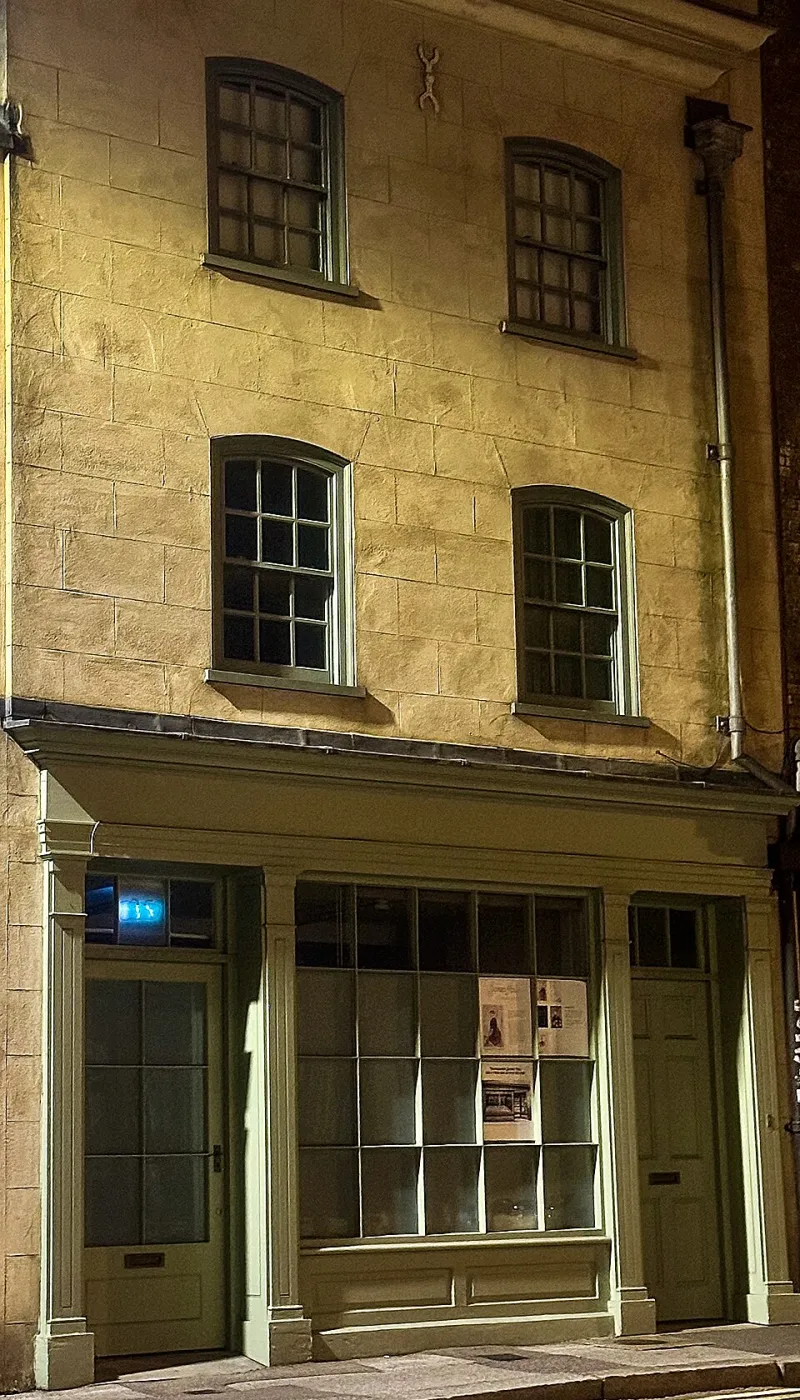
Photo: OathOn, CC BY-SA 4.0, via Wikimedia Commons
If you own a period property in a conservation area — a Bath terrace, a Harrogate villa, a flat in Edinburgh’s New Town, a cottage in the Cotswolds — replacing windows is the one job where the paperwork matters as much as the product.
And it’s the one job where the trade’s language gets slippery fastest. So let’s start with the uncomfortable bit.
‘Conservation-grade’ is not a standard
There is no British Standard, no kitemark and no certifying body for ‘conservation-grade’ windows. It isn’t defined in the Building Regulations. Nobody inspects against it.
It’s a phrase invented in a showroom. Sometimes it’s used honestly to mean ‘we’ve designed this range with slim sightlines and traditional proportions’. Sometimes it means ‘standard frame, chunkier trim, heritage-sounding brochure’.
What does exist: BS 644 for timber windows, BS EN 14351-1 / UKCA marking for performance, the Wood Window Alliance’s specifications, Historic England’s guidance, and your local authority’s conservation officer — who is the only arbiter that actually counts.
What the conservation officer is really looking at
Not the brochure. They’ll be checking things like:
- Proportions — the ratio of glass to frame, and the width and depth of glazing bars. A 20mm applied bar is not the same as a 35mm moulded bar with a proper shadow line.
- Sightlines — how much of the elevation is frame versus glass, seen from the street. This is why they ask for elevation drawings.
- Reveal and setback — how far the frame sits back in the wall. A frame pushed flush to the face changes the elevation more than most homeowners realise.
- Opening method — sliding sash with real weights or spiral balances, side-hung casements, top-hung lights, and whether the meeting rail lines up with the neighbours’.
- Material and finish — painted softwood, hardwood, accoya, aluminium, or uPVC with a foiled grain. Foils have improved; plenty of officers still say no.
- Glazing method — putty-glazed and beaded, single versus slim double glazed units, and the reflectivity of the glass.
- Ironmongery and colour — sash lifts, fasteners, and whether the finished colour matches the street.
If a quote can’t tell you the sightline dimension in millimetres, it hasn’t been designed yet.
Five giveaways in a quote
- No named manufacturer. A proper heritage spec names the profile system and the maker. ‘Our own range’ with no datasheet is a shrug in writing.
- Glazing bar figures missing. If the drawing doesn’t dimension the bar width and depth, you’ll get whatever the fabricator had on the line.
- ‘Run-through horns’ described as authentic. On many uPVC sashes the horn is a moulded continuation of the frame. A true horn is a separate, jointed detail. They look similar in a photo and very different up close.
- Applied bars sold as divided lights. Stuck-on bars on a single sealed unit are a legitimate choice — but they aren’t glazing bars, and the officer will notice the difference from the pavement.
- ‘We’ll handle consent for you.’ Good installers will prepare drawings and submit on your behalf. That does not transfer the legal duty. In England, altering a listed building without listed building consent is a criminal offence, and it’s yours to carry.
The Part L alibi
Here’s one to listen for: ‘the regulations won’t let us fit that.’
Part L of the Building Regulations does expect improved energy performance when you replace windows, and there is genuine flexibility written in for historic and traditional dwellings where full compliance would unacceptably alter character. Your local authority can accept a lesser standard in the right circumstances.
None of which is licence to fit anything. The conservation officer still has the final say, and in a listed building it’s listed building consent that governs, not a competent-person scheme. FENSA or Certass sign-off confirms Building Regs notification — it says nothing about heritage consent.
So treat ‘the regs won’t allow it’ as a claim to test, not a fact. Ask the installer to show you where it says that, and ask the conservation officer whether they agree.
What a genuinely heritage-minded spec looks like
It usually starts with repair, not replacement. Draught-proofing, overhauling sash cords, splicing in a rotten sill, secondary glazing on the inside — Historic England and the SPAB have been saying this for decades, and it’s still the cheapest route in most cases.
Where replacement is the right answer, a careful spec tends to include slim-profile double glazing built into a properly proportioned frame, matching sightlines, matched mouldings, and a finish that reads as painted timber from three metres away.
Checklist before you sign
- Sectional drawings at 1:5, with sightline dimensions in millimetres
- A physical sample of the glazing bar and the glass
- Whole-window U-value and g-value, plus air/water/wind performance to BS 6375
- Named profile system, manufacturer and glass supplier
- References from at least two jobs in a similar conservation area
- Written confirmation of who is applying for consent, and when
- An insurance-backed guarantee, with the coating and the sealed unit listed separately
- A contract with a proper cancellation period — no deposit taken on the doorstep
Straight talk
‘Conservation-grade’ is doing a lot of work in a lot of quotes, and it’s earning none of it. Ask for drawings, dimensions and a named maker. If those three arrive without a fuss, you’re probably in good hands. If they don’t, the word on the brochure is all you’re buying.