When 40°C Comes Knocking: How Cheap Window Frames Cope With a British Heatwave
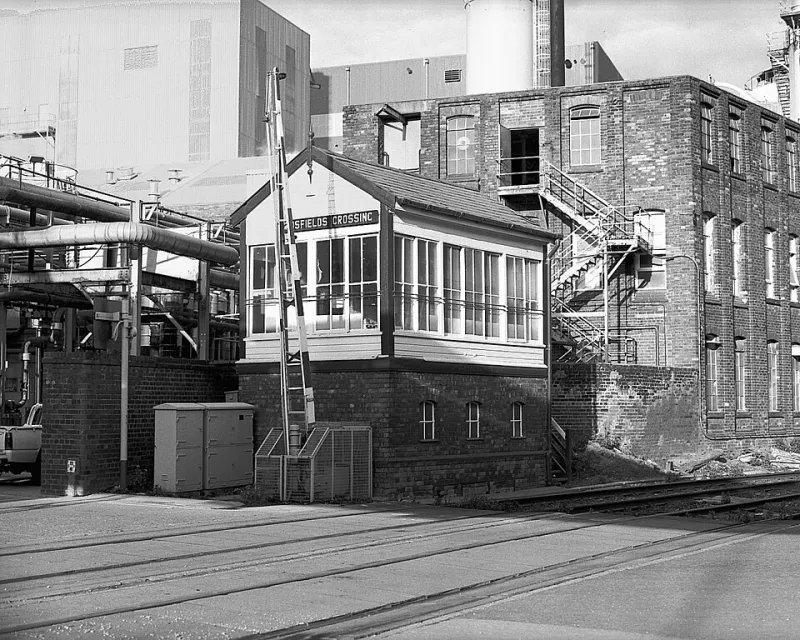
Photo: Ingy The Wingy from Lancashire, England, CC BY-SA 2.0, via Wikimedia Commons
There's a particular kind of quiet in a room where the windows have stopped closing properly. The handle turns, the sash moves a bit, then catches on something you can't see. Nine times out of ten the owner tells me it started after that hot spell in July. They usually say it like it's a coincidence. It rarely is.
Britain has had a run of properly hot summers now. The 40.3°C recorded at Coningsby in July 2022 was meant to be a once-in-a-generation event, and then we got close to it again in the years that followed. Frames fitted during a mild spring get tested by that. And a fair number of them fail the test in ways that don't show up until the following winter, when the gaps appear and the draughts start.
November is genuinely the best month to check. The house is shut up, the heating is on, and any movement in the frames has had a full season to settle.
What heat actually does to a frame
PVC-U moves. That's not a defect, it's physics. The material expands roughly three times as much as aluminium and considerably more than glass over the same temperature swing. On a dark-framed window facing south, the surface of the profile can hit 60°C or more when the air is at 35°C, because dark colours absorb heat rather than reflecting it.
That matters because the frame and the glass are expanding at different rates while being fixed to each other. A well-made window deals with this through expansion allowances, proper reinforcement and glazing that isn't wedged in solid. A cheap one deals with it by bowing.
Aluminium behaves differently. It moves less, but it conducts heat beautifully, which is why thermal breaks matter so much. Poorly broken aluminium can transfer enough heat to distort seals and stress the glazing. It won't warp like uPVC, but it can still fail at the joints.
Then there's the stuff nobody mentions at the showroom:
- Reinforcement. Good uPVC profiles have a steel or aluminium box section inside. Thin-wall profiles, or ones where the reinforcement stops short of the corners, are the ones that sag.
- Seals and gaskets. Heat softens them. Once they've softened and set in a distorted shape, they don't spring back, and that's your draught.
- Colour and foil finishes. Dark foils and anthracite exteriors look superb. They also run hotter, and plenty of guarantees have a line about thermal movement or colour variation that quietly excludes them.
- Sealed units. Heat increases the pressure inside a double-glazed unit. A unit with a marginal seal will let moisture in, and by December you've got misting between the panes.
- Warranty wording. Look for clauses covering 'thermal movement', 'normal colour variation' or 'damage caused by extreme weather'. They're common, and they're broad.
The November checklist
You don't need tools beyond a torch, a straight edge and a bit of paper.
- Close every window and look for light. Do it at dusk with the room light on and the outside dark. Any visible gap around the sash is a gap.
- Do the paper test. A sheet of A4 should not slide out from a closed window without resistance. If it slips out easily at one corner and not another, the sash has twisted.
- Check for bowing. Hold a straight edge or spirit level against the frame and the opening sash. You're looking for a gap in the middle, not perfection. A couple of millimetres over a metre is worth a phone call.
- Run your hand around the gaskets. They should feel springy and sit proud of the profile. Hard, flattened or gappy means they've taken a set.
- Open and close everything. Handles that need two hands, locks that catch, doors that scrape in September but didn't in April. All of it counts.
- Look at the glazing beads. Cracks or gaps where the bead meets the frame suggest movement.
- Check the drainage. Open the sash and look for the weep holes at the bottom. If water has been sitting, you'll see staining or algae.
- Photograph everything with the date. If you end up in a warranty conversation, a dated photo of a bowed sash is worth more than a paragraph of description.
What to ask before you sign anything
This is the part that actually protects you. Ask these in writing, and don't accept a verbal 'it'll be fine'.
- What is the reinforcement specification for this profile, and does it run into the corners?
- What is the maximum service temperature the system is tested to, and is that in the guarantee?
- Does the guarantee cover warping, bowing or seal failure after a sustained period above 35°C? If not, why not?
- For dark foil or coloured frames, what's the additional heat exposure and does it affect the warranty?
- Is the glass solar-control or heat-deflecting, and what's the solar factor (g-value)?
- What expansion allowance is built into the installation, and how is the frame fixed at the head and sill?
- What are the tolerances for frame squareness and bowing, and which standard are they measured against?
A decent installer will answer these without flinching, because they've thought about them. The ones who get defensive are telling you something useful.
The honest summary
None of this means cheap windows are all doomed, or that a heatwave will destroy a good installation. Well-specified frames cope with British summers perfectly well, and most of the failures we see come down to under-specified profiles, rushed fitting or a guarantee that was never going to pay out.
The point is that the quote should say. If the paperwork is silent on heat, reinforcement and warranty exclusions, that silence is the answer. Check your frames now, while it's cold and nothing is hidden, and get the awkward questions in before next July does the checking for you.