Five Window Choices That Shine in the Showroom — and Sag at Home
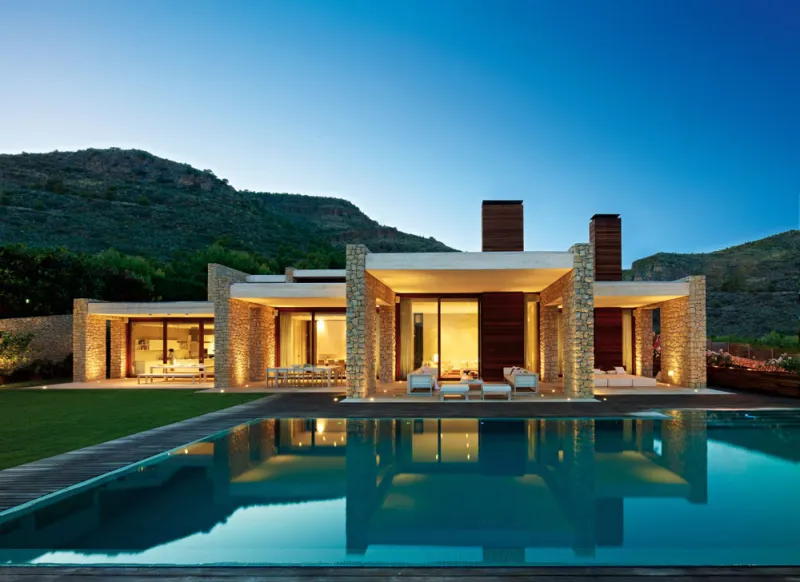
Photo: modern window showroom display lighting samples UK, via 3.bp.blogspot.com
Showrooms are designed to sell. That is not a conspiracy; it is retail. The lighting is bright, the walls are clean, the frames are dust-free, and there is no bin day, no north-facing drizzle and no neighbouring extension blocking the light. The window that looks sleek under a downlight can look very different from the pavement outside your house.
This is an opinionated list, not a rulebook. Some people will love every one of these choices at home. The point is to make the decision in the right place: your room, your street, your daylight.
1. The very dark exterior colour
Dark grey, anthracite, black and deep green frames look superb in a showroom. They photograph well, they feel modern, and against a clean white display wall they have real presence. On a real British street, though, dark frames can go one of two ways. On a pale rendered house with good light, they can look sharp and intentional. On a red-brick terrace in flat winter light, they can look heavy, or simply disappear into the shadow.
Check it properly: borrow or buy a decent-sized colour sample and hold it against your actual exterior wall. Look at it from the pavement, not just from your front door. Check it on a grey day and in direct sun. If you live in a conservation area or a terrace with a strong uniform look, ask whether the colour is likely to raise eyebrows before you order it.
2. Heavy Georgian bars
Georgian bars can be lovely. They can also turn a decent-sized window into a grid of small panes that blocks the view and makes the room feel busier than it needs to. In a showroom, bars are often displayed on a large, brightly lit frame where the proportions look balanced. At home, the same bar spacing can feel chunky or fussy, especially on smaller windows.
Check it properly: ask to see a sample bar against your actual glass size, or find an installed job with a similar window. Stand inside the room and look out. Do the bars cut across the best part of the view? Do they make the window feel smaller? If the answer is yes, consider a simpler bar layout, or none at all.
3. The fancy handle
Handles are the jewellery of a window, and showrooms know it. A brushed gold, matt black or chunky lever handle can make a standard frame feel more expensive. It can also be the first thing to feel dated, or the thing that catches a sleeve, or the detail that looks slightly too shiny next to your ordinary kitchen cupboards.
Check it properly: handle the actual sample, not just the display one. Open and close it several times. Check it with a wet hand, because you will eventually use it with a wet hand. Ask what happens if you want to change the handles later — are they standard fitments or a proprietary shape? A handle is a small choice, but it is the bit you touch every day.
4. Tinted or reflective glass
A subtle tint can look sophisticated on a display stand. It can also make a north-facing living room feel dim, or make your windows look oddly mirrored from the street. Reflective glass has its place — perhaps on a sunny, overlooked side of the house — but it is not a universal upgrade.
Check it properly: ask for a glass sample and take it outside. Look through it into a normal room, not into a showroom. Consider the room’s orientation: a south-facing room can carry a light tint; a dark hallway usually cannot. And think about kerb appeal. A mirror finish on a modest semi can look a bit “corporate”.
5. The ultra-slim frame with maximum glass
Slim frames and large panes are having a moment, and rightly so: they can make a room feel brighter and more open. But the showroom version often has a perfect, unobstructed view behind it. Your version may have a wheelie bin, a fence, a neighbouring wall or a road right outside. Maximum glass also means maximum solar gain in summer and more heat loss in winter if the specification is not right.
Check it properly: take a photo from inside your room at the height the window will sit, and imagine the frame around it. Ask about the glass specification, not just the frame width. If the room gets a lot of sun, ask how the glazing will handle heat. If it is a bedroom, think about privacy and whether you will end up with curtains closed all day.
The showroom test you can actually do
Before you commit, do a room-by-room check. Take samples home. Look at them in the morning, at midday and in the evening. View the exterior colour from the street, ideally from a few doors down. Ask the company for photos of installed jobs on houses like yours — not just the glossy brochure shots. And if a salesperson cannot show you a real-world example, treat that as information.
The best window choice is not the one that wins the showroom. It is the one that still looks right when the display lights are off and the kettle is on.