Money Down, Guard Up: Setting a Sensible Deposit on a Window Job

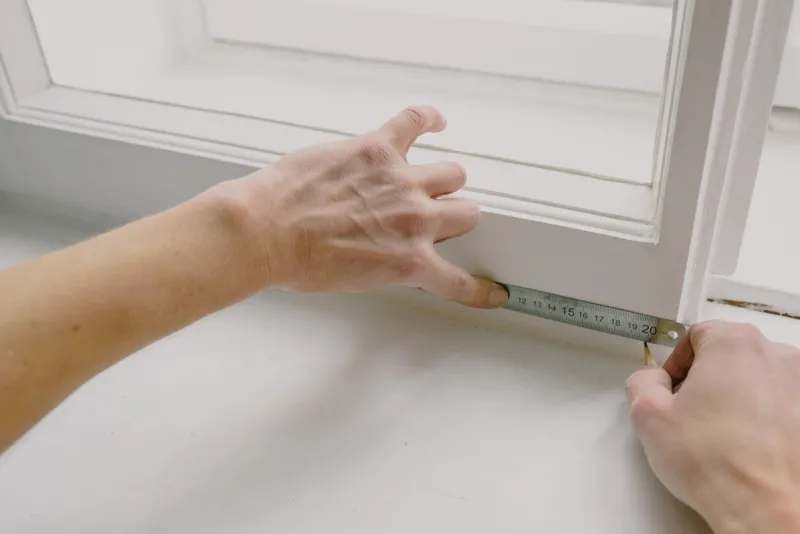
Photo: One Trick Pony from Stockholm, CC BY-SA 2.0, via Wikimedia Commons
The bit nobody puts in the showroom
Window shopping is all triple-glazed sunshine and clever cutaway diagrams. Then the quote lands, and somewhere near the bottom is a request for money before anyone has even ordered a hinge. Deposit terms are rarely the headline act, but they tell you a lot about how a window company runs its business — and how much risk you’re carrying before the first frame arrives.
In 2026, deposit requests in the UK are all over the place. You’ll see 10% booking fees, 25% on order, 50% when the survey is signed off, and the occasional “full balance upfront for a discount”. Some of those are reasonable. Some are a sign that the fitter is using your cash to fund your job. And one or two should make you put the kettle on and read the paperwork properly.
What a normal deposit looks like
There’s no law setting a standard deposit for domestic window work. It’s a commercial agreement, so the number is whatever you and the company agree. That said, a sensible deposit usually reflects genuine upfront costs: survey time, ordering made-to-measure frames, glass units, hardware, and sometimes a diary slot with an installer.
For a typical replacement window job, a deposit somewhere around 10% to 25% is common. A larger job with bespoke colours, arched frames or aluminium might justify a bigger materials payment. What matters is that the schedule is written down and tied to something real. “20% on order, 30% when the survey is complete and materials are confirmed, balance after satisfactory installation” is the kind of sequence that makes sense. “100% now, installation in eight weeks” does not.
The full-upfront ask
Full payment before installation is the big one. It sometimes comes dressed as a bargain: pay in full today and we’ll knock 5% off. Sometimes it’s framed as “we’re busy, so we need commitment”. Either way, you’re handing over the lot before the work exists.
If a company needs your entire balance to buy your windows, that’s a cash-flow signal. It may still be a perfectly decent firm, but you’re now acting as its lender. If anything goes wrong — administration, a diary collapse, a dispute about the survey — you’re chasing money rather than withholding it. A discount is rarely worth that trade.
There are exceptions. A very small job, such as a single repair or a tiny supply-only order, may reasonably be paid upfront. But for a full house of replacement windows, full upfront payment should make you slow down and ask questions.
Red flags on the deposit line
A few phrases should get your attention:
- “We only take cash.” You lose card protections and create a paper trail made of hope.
- A deposit much bigger than the materials cost. Ask what it’s actually covering.
- No written payment schedule. If it isn’t in the quote or contract, it isn’t agreed.
- Pressure to pay before the survey. The survey often changes the job; paying before it is backwards.
- A deposit demand before you’ve had your cancellation rights explained. In a regulated consumer contract, you should have clear written terms and cooling-off information.
- A different company name on the payment request. Check who you’re actually paying.
None of these automatically means fraud. But together they suggest a company that is either disorganised or relying on your money to keep the lights on. Neither is ideal when you’re spending thousands on a home improvement.
Pay in stages, and tie stages to real events
Staged payments are your friend. A workable structure might look like this:
- A modest booking deposit to secure the order.
- A materials payment once the survey is complete and the specification is locked.
- The balance after installation, once you’ve had a chance to inspect the work and snagging is agreed.
Keep the final payment meaningful. If you pay 95% before the fitters arrive, you’ve lost most of your leverage. A final chunk — often 10% to 20% — held until you’re satisfied is normal and fair. Put the schedule in the contract, not just in an email.
Use the payment method as a safety net
How you pay matters as much as when. Credit cards offer Section 75 protection on purchases over £100, even if you only pay part of the balance on the card. Debit cards can offer chargeback in some circumstances, though it’s not the same guaranteed route. Bank transfers are cheap and quick, but once the money lands, it’s gone.
If you’re paying a deposit by card, check whether the company accepts card payments without a hefty surcharge. If it only takes bank transfer, ask why. And never send money to a personal account when your contract is with a limited company.
Insurance-backed guarantees: read the small print
A deposit protection scheme or insurance-backed guarantee can help if the company goes bust before installation or fails to honour its guarantee later. But “insurance-backed” is not a magic phrase. Ask for the policy wording, who the insurer is, what exactly is covered, and whether the cover starts at deposit stage or only after completion.
Some guarantees cover the workmanship for a decade but say nothing about your deposit. Others are administered by a third party with a claims process that’s more obstacle course than safety net. If the salesperson can’t explain it plainly, don’t treat it as security.
Negotiate before you sign
Deposit terms are negotiable more often than homeowners realise. If a company asks for 50% upfront, ask whether it will accept 20% on order and the rest at survey. If it wants full payment before installation, ask for a staged schedule with a retention. A firm that refuses any movement on a large job is telling you something about how it handles disputes later.
Get the final schedule in writing, along with what happens if dates slip, what counts as completion, and how snagging is handled. A sensible window company won’t be offended by a homeowner who reads the payment terms. It will be relieved it doesn’t have to chase you for the balance.
The straight answer
A reasonable deposit is one that covers real upfront costs, is written into the contract, and leaves you with meaningful money to withhold until the job is done properly. If the upfront ask feels more like funding the company than buying windows, trust that feeling. You’re not being difficult. You’re just refusing to be the finance department.